Professional Air Duct & HVAC Services for a Cleaner, More Efficient Home
From air duct cleaning and HVAC system cleaning to dryer vent service, inspections, UV lights, and duct replacement, we help homeowners identify problems and choose the right solution.

A Team Focused on Airflow, Cleanliness & System Performance
Our technicians inspect, document, and service duct and HVAC systems using professional equipment and clear recommendations based on the actual condition of the system.
Professional equipment
Clear findings and recommendations
Before-and-after documentation when applicable
Our Services
Choose the service that matches what your home or HVAC system needs.
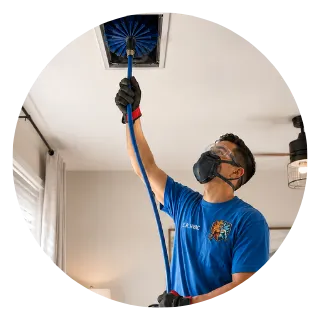
Air Duct Cleaning
Remove years of dust, debris, and buildup from your duct system to improve airflow and help keep your HVAC system operating efficiently.
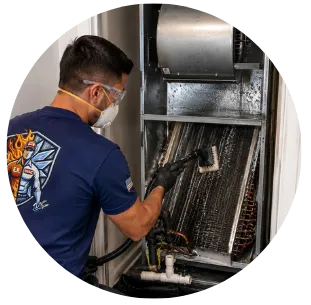
HVAC System Cleaning
Remove years of dust and buildup from your HVAC system to improve airflow, enhance performance, and help keep your equipment operating at its best.
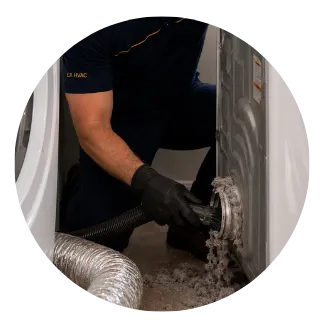
Dryer Vent Cleaning
Clear dangerous lint buildup from your dryer vent to improve airflow, shorten drying times, and help reduce the risk of dryer-related fires.
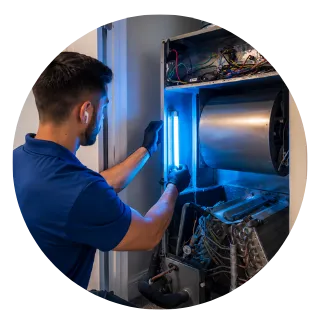
UV Light Installation
Install a high-performance UV light system to help keep critical HVAC components cleaner and support healthier indoor air quality year-round.
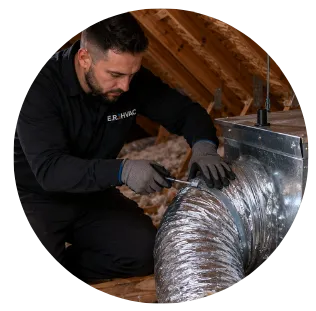
Air Duct Replacement
Upgrade damaged or inefficient ductwork with professionally installed air ducts designed to improve airflow, comfort, and energy efficiency.
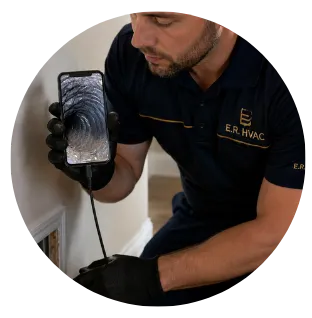
Air Duct & HVAC Inspection
Get a detailed inspection of your air ducts and HVAC system with clear findings, honest recommendations, and before-and-after documentation when applicable
Over 1,000+ Homes And Businesses Trust Our HVAC Solutions
We prioritize our customers by working closely to understand their comfort needs. Our goal is to provide tailored solutions that guarantee efficiency, reliability, and peace of mind.
STILL NOT SURE?
Frequently Asked Questions
We understand the importance of clarity and are here to provide answers to your most common queries.
How do I know if my air ducts need cleaning?
Common warning signs include:
- Dust blowing from supply vents
- Heavy dust buildup around vent covers
- Musty or unpleasant odors
- Visible debris inside the ductwork
- Uneven airflow between rooms
- Recent construction or remodeling
- Signs of pests inside the duct system
- A home that becomes dusty again quickly
The best way to know is through a visual inspection of the ductwork, return system, air handler, blower, and evaporator coil.
Is cleaning the air ducts the same as cleaning the HVAC system?
No. The air ducts distribute air throughout the property, while the HVAC system includes components such as the air handler, blower assembly, evaporator coil, drain pan, return compartment, and other accessible equipment.
Cleaning the ducts without addressing a heavily contaminated air handler may leave an important part of the system untreated.
Why should I have my air ducts and HVAC system inspected?
An inspection helps identify dust buildup, airflow restrictions, damaged ductwork, excessive debris, moisture concerns, and contamination inside the HVAC system. It allows us to recommend the right service based on the actual condition of your system instead of suggesting unnecessary work.
Schedule a professional inspection to find out what your system truly needs.
What is included in professional air duct cleaning?
The exact process depends on the design and condition of the system. A professional cleaning may include:
- Inspection of supply and return ductwork
- Removal and cleaning of vent covers
- Mechanical agitation of accumulated debris
- Negative-air collection or professional vacuum equipment
- Cleaning of supply and return lines
- Cleaning around accessible registers and plenums
- Before-and-after documentation
- Optional deodorizing or antimicrobial treatment when appropriate
Your technician will explain what is included before the work begins.
How much does air duct cleaning cost?
Pricing depends on several factors, including:
- Number of supply and return ducts
- System size
- Duct material
- Accessibility
- Level of buildup
- Number of HVAC systems
- Condition of the air handler
- Additional treatments or cleaning services
- Repairs or replacement needs
We recommend an inspection so we can provide accurate pricing based on the actual system.
What is included in an air duct and HVAC inspection?
An inspection may evaluate:
- Supply and return vents
- Visible interior duct conditions
- Airflow concerns
- Air-handler cleanliness
- Blower-wheel condition
- Accessible evaporator-coil condition
- Filter size and condition
- Drain pan and drain-line concerns
- Visible duct damage or disconnections
- Dryer-vent airflow, when included
- Opportunities for cleaning, repair, replacement, or air-quality upgrades
You will receive clear findings and recommended next steps.
Will you give me an estimate before starting additional work?
Yes. If the inspection identifies additional cleaning, repairs, duct replacement, or equipment concerns, we will explain the findings and provide pricing before performing any additional work.
When should air ducts be replaced instead of cleaned?
Replacement may be recommended when ductwork is severely damaged, collapsed, disconnected, poorly designed, deteriorated, contaminated, or unable to be cleaned without causing additional damage.
What are the signs of damaged ductwork?
Possible signs include:
- Weak airflow in certain rooms
- Hot or cold rooms
- High utility bills
- Visible tears or disconnected ducts
- Rattling or whistling noises
- Excessive attic dust
- Ducts that are crushed or kinked
- Insulation falling apart
- Unpleasant odors coming from damaged sections
A duct inspection is necessary to determine the actual cause.
What are the signs of a clogged dryer vent?
Common signs include:
- Clothes taking more than one cycle to dry
- The dryer becoming unusually hot
- A burning or overheated smell
- Excessive lint behind the dryer
- Weak airflow from the exterior vent
- The laundry room becoming hot or humid
- The dryer shutting off during a cycle
Stop using the dryer and request an inspection if you notice a burning smell or unusual overheating.
What does a UV light do inside an HVAC system?
An HVAC UV light is installed near specific components, commonly around the evaporator-coil area, to expose surfaces to ultraviolet light. It is generally used as part of a broader HVAC cleanliness and indoor-air-quality strategy.
A UV light does not replace air-duct cleaning, filtration, moisture control, or regular HVAC maintenance.
What HVAC components can be cleaned?
Depending on accessibility and system condition, HVAC cleaning may include:
- Blower wheel and blower compartment
- Air-handler cabinet
- Return-air compartment
- Evaporator coil surface
- Drain pan
- Accessible plenum areas
- Vent and return covers
- Surrounding equipment area
Some components may require separate service, specialized cleaning, or partial disassembly.
Why is my blower wheel important?
The blower wheel moves conditioned air through the duct system. When it becomes heavily coated with dust and debris, airflow and system performance may be affected.
A dirty blower may also continue distributing debris even after the ducts have been cleaned.
Can you clean the evaporator coil?
Yes, when the coil is accessible and cleaning is appropriate. The cleaning method depends on the coil’s condition, location, and level of buildup.
A frozen coil must be fully thawed before it can be properly inspected or cleaned. Freezing may be related to airflow restrictions, filter problems, blower issues, refrigerant concerns, or other mechanical conditions that require diagnosis.
Will HVAC cleaning lower my electric bill?
Cleaning may improve airflow and help a dirty system operate more effectively, but energy savings cannot be guaranteed. Electricity usage also depends on equipment age, insulation, thermostat settings, refrigerant levels, duct leakage, outdoor temperature, and system condition.
We focus on identifying restrictions and buildup that may be affecting normal operation.
Why is dryer vent cleaning important?
Lint can accumulate inside the dryer exhaust line and restrict airflow. Restricted airflow may cause longer drying times, excessive heat, increased wear on the dryer, and a higher risk of lint-related problems.
Professional cleaning removes buildup from the accessible vent line and helps restore proper exhaust flow.
How often should a dryer vent be cleaned?
Many homes benefit from periodic dryer-vent cleaning, but the correct frequency depends on vent length, number of turns, household usage, pets, dryer type, and how quickly lint accumulates.
Homes with long vent runs or frequent laundry use may need service more often.
Not Sure Which Service You Need?
We can inspect your air ducts and HVAC system, document what we find, and explain which service—if any—makes sense for your property.
Ready to Get Your System Checked?
Tell us what you’re noticing and we’ll help determine the right next step.
Serving Jacksonville • Ponte Vedra • St. Augustine • St. Johns
Air Duct Cleaning • HVAC Cleaning • Dryer Vent Cleaning • Inspections
COMPANY
LEGAL
FOLLOW US


Copyright ©2026. Lerner Solutions Group. All Rights Reserved. Powered by E.R. HVAC